The new LWB VW ID. Buzz Cargo: a promising base for a compact camper
The long-wheelbase Volkswagen ID. Buzz Cargo brings a little more room to a van that already stands out. Launching early 2027 with no prices announced yet but for anyone considering an electric camper conversion, that extra space could make the difference between a clever weekend setup and one that feels genuinely practical.
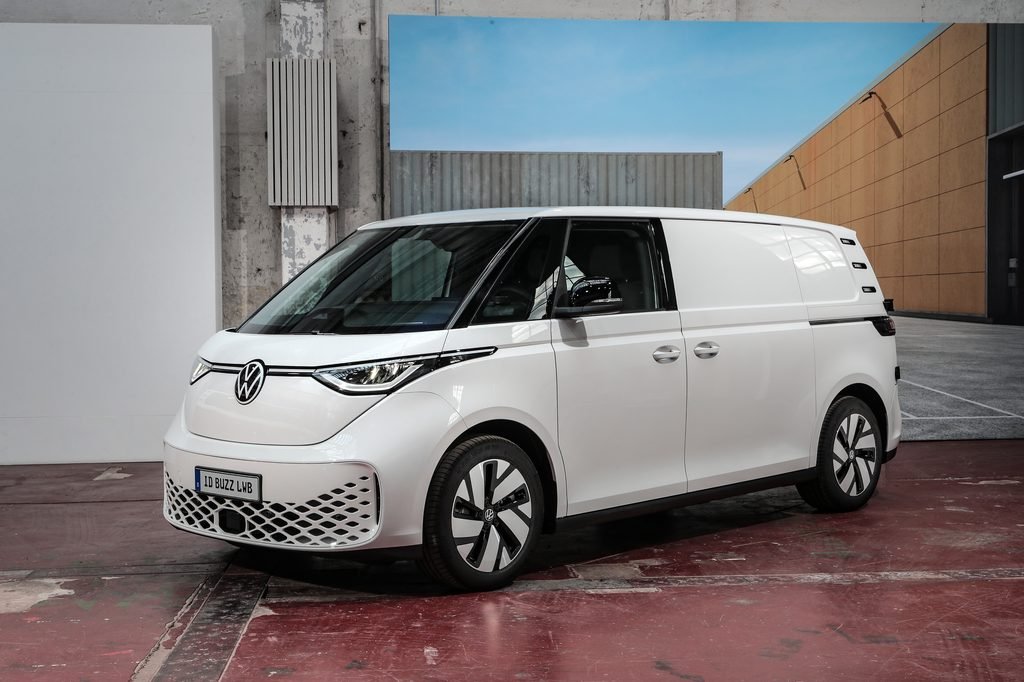
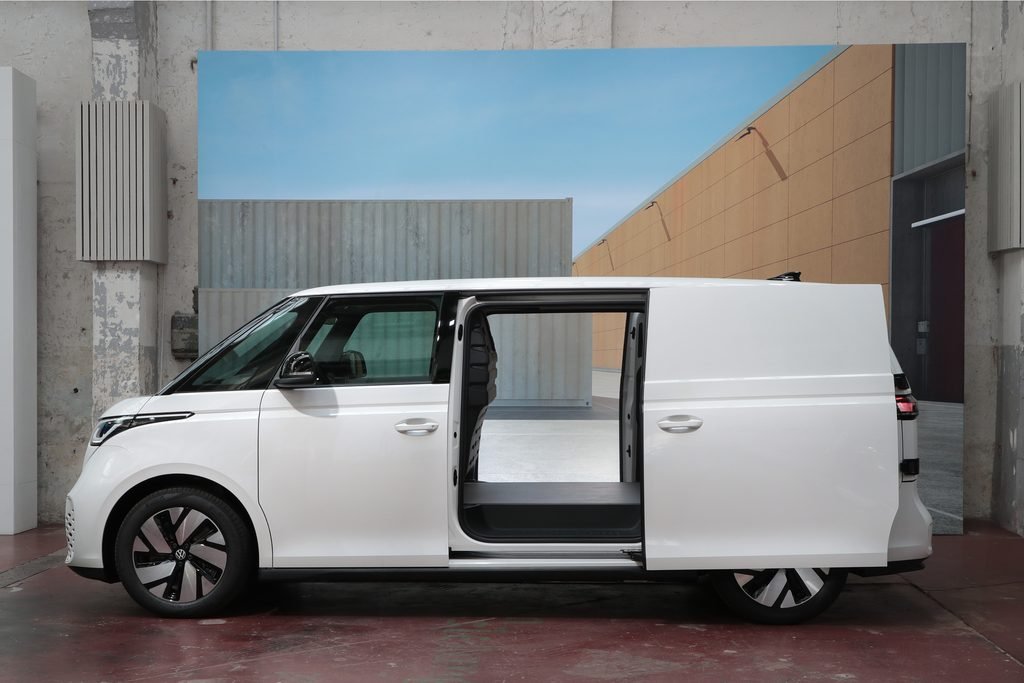
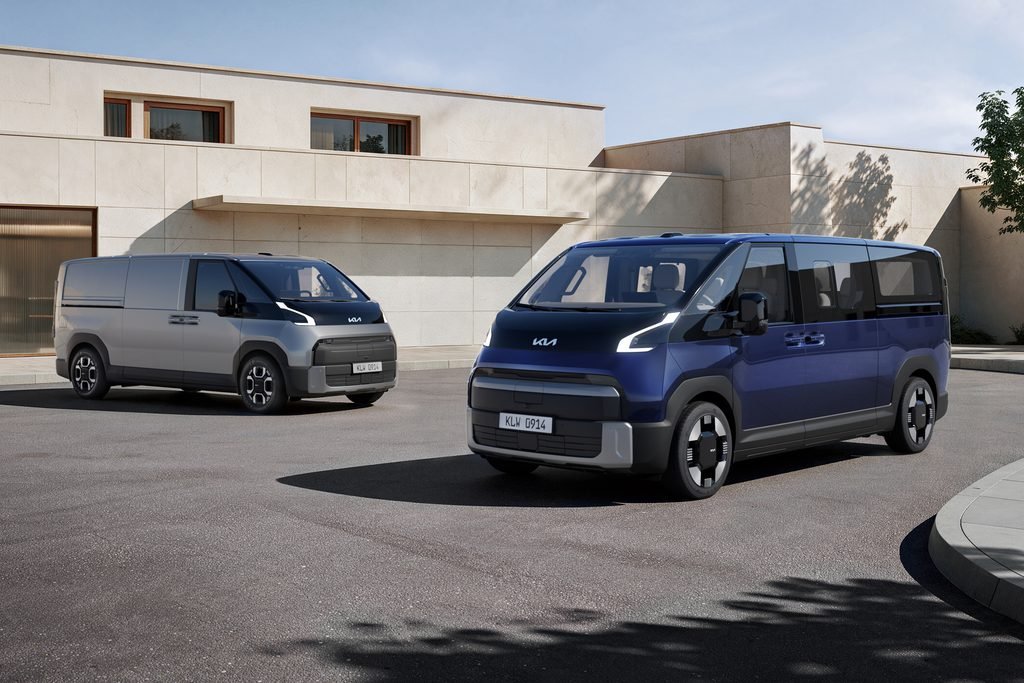
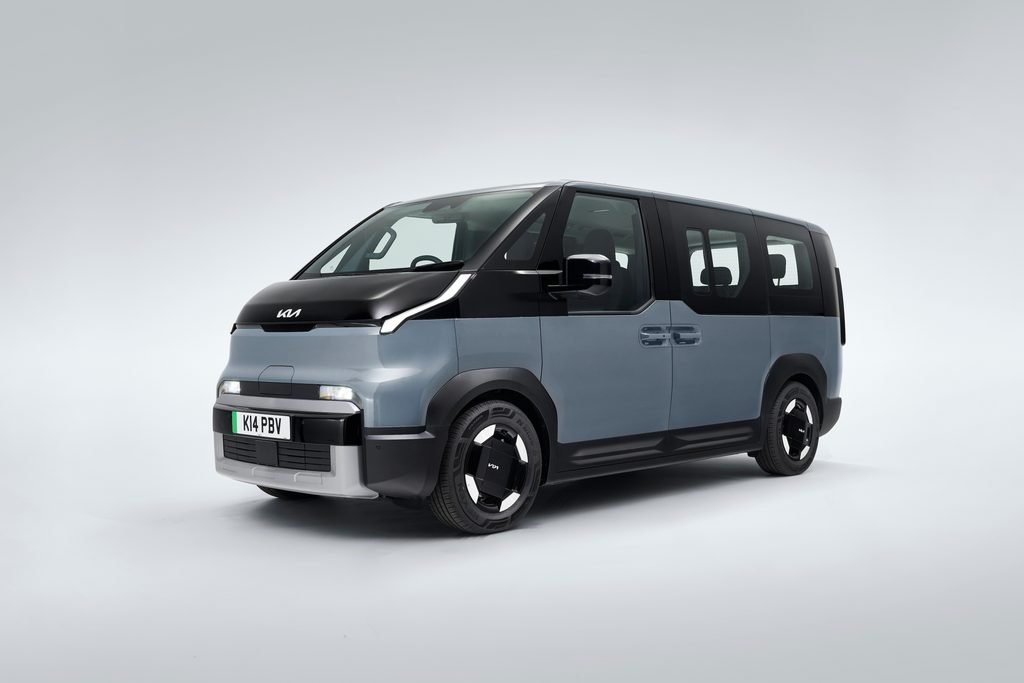
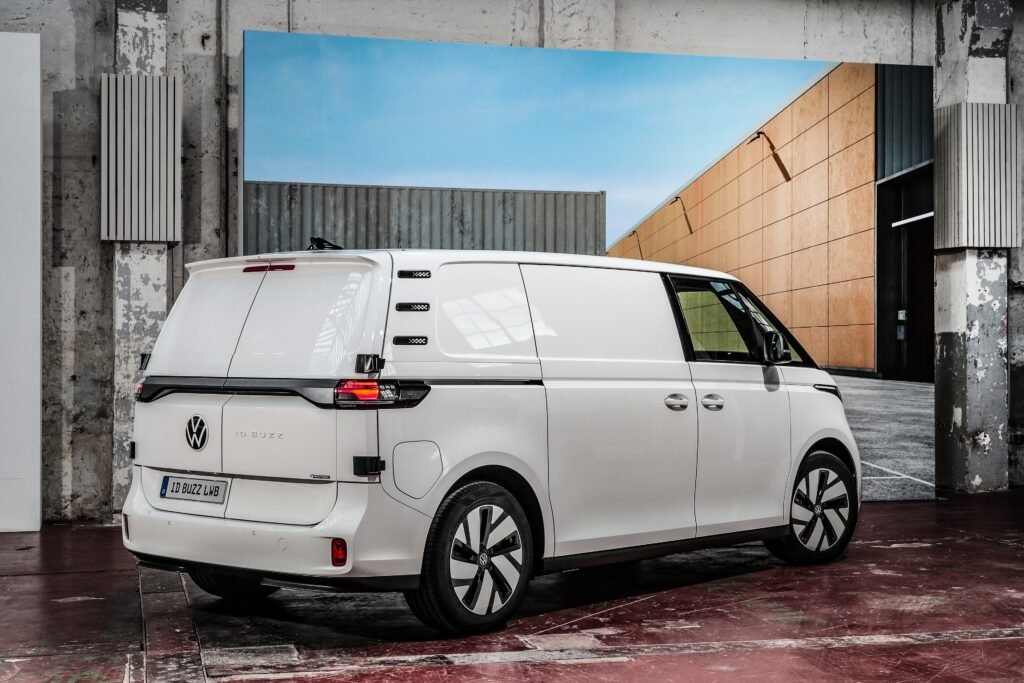
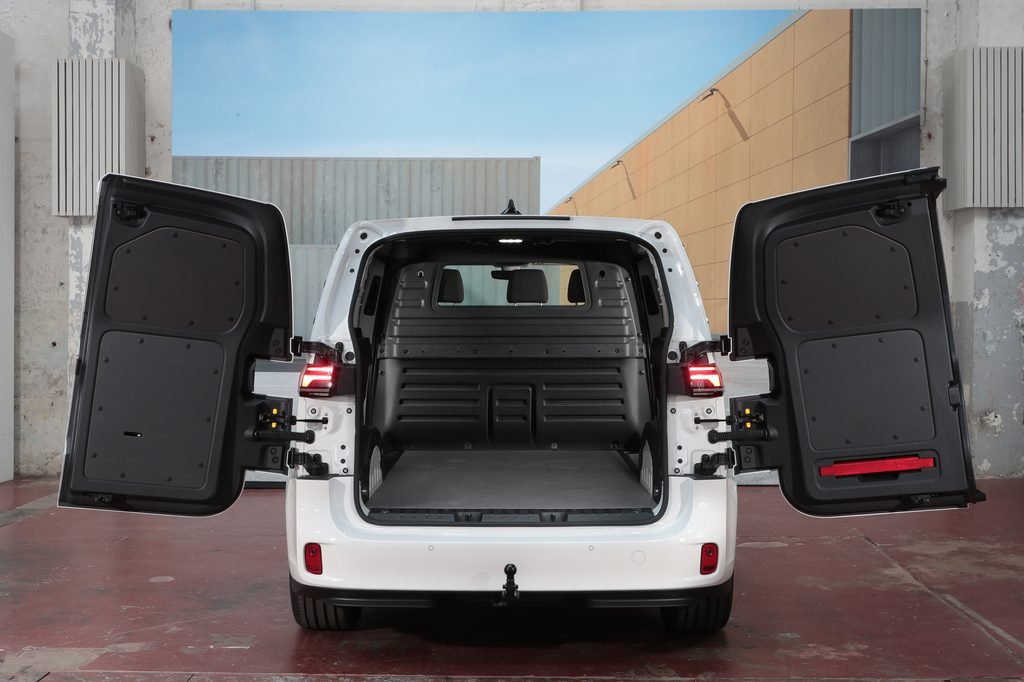
Volkswagen has added 250mm to the wheelbase, increasing the load area to 2,458mm long and the cargo volume to 4.4 cubic metres. That’s 0.5 cubic metres more than the standard-wheelbase Cargo. Its alos slightly larger than the upcoming Kia PV5 Cargo LWB. The LWB also comes with a second sliding door as standard, giving converters more flexibility over where to position a kitchen pod, storage unit or access to the living area. The load space is still relatively compact beside a large panel van, but its square-sided layout should make the available room easier to use.
For a simple conversion, the Buzz’s strengths are easy to picture: a removable bed platform, modular storage and a portable cooking unit could turn it into a versatile two-person micro-camper. The two sliding doors may be especially useful at a campsite, allowing access from either side and making it easier to cook or sit outside without climbing around the furniture. Buyers can choose a tailgate or, optionally, rear barn doors—another decision that will affect how the van works with an awning or rear kitchen.
There are practical limits as always with vans of this size with a pop top needed if its be more than a nice day van. A fixed furniture build also has to respect the van’s payload. Volkswagen quotes a maximum payload of up to 700kg for rear-wheel drive and 606kg for 4MOTION, depending on specification. That allowance must cover people, furniture, water, luggage and any accessories, so a lightweight, carefully planned conversion makes sense.
The LWB gets an 86kWh battery, with rear-wheel drive producing 210kW; a 250kW 4MOTION version is also offered. Volkswagen’s WLTP figure is close to 300 miles, but real-world range will be lower. As a guide, expect roughly 220–260 miles in mixed driving from an unconverted rear-wheel-drive van, with motorway speeds, cold weather and a camper fit-out likely to push it towards the lower end or below. A useful planning assumption for a converted van on a longer trip is around 200–230 miles between charges, though the exact figure will depend on load, speed, temperature and heating use. Our experience of VW Group EV products are that they our very susceptible to cold weather reducing range so worth thinking about if you’re thinking of heading to the Arctic Circle for an adventure!
The key question is whether the Buzz suits the kind of camping you actually do. For short breaks, two people, and a compact, removable fit-out, the LWB looks like an appealing modern EV base—with useful access, more load length and a distinctive presence. It also helps VW take the fight to Kia who are getting all the headlines at the moment with PV5.